Essential Oils: A Comprehensive Guide
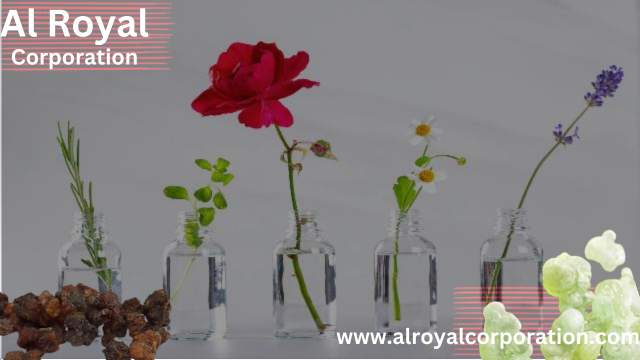
Essential oils are extracts derived from the roots, leaves, stems, flowers, bark, resin. and peels of plants. Unlike fatty carrier oils, essential oils are volatile, aromatic compounds. that impart the scent of the plant.
Essential oils are using for health, beauty. and spiritual purposes across many cultures for centuries. Their uses range from ancient practices to modern home remedies.
This comprehensive guide will explore everything. you need to know about essential oils including:
- How essential oils are extracting and producing
- The many benefits of using essential oils
- Profiles of the most popular essential oils
- Tips for choosing high quality oils
- Safe use recommendations and precautions
- Research on essential oil benefits
- DIY recipes and blend ideas
Let’s dive in and unlock the healing potential of nature’s essence.
A Brief History of Essential Oils

The use of essential oils dates back thousands of years to ancient cultures. like Oman, China, Greece, and Rome. Frankincense, myrrh, cinnamon, and other oils were prizing trade commodities.
Oils are using in spiritual rituals, medicine, skincare, perfumes, and more. Distillation methods are perfect to extract the precious oil from plants.
In the Middle Ages, essential oils fell out of prominence in Europe. But their use continued in North Africa, the Middle East, and Asia.
Today there is a resurgence of interest in holistic health approaches. including essential oils. Scientific studies are also validating many traditional claims. about the benefits of essential oils.
How Essential Oils Extracting?
There are many methods used to extract essential oils from plants:
Supercritical CO2 Extraction: Uses carbon dioxide under high pressure. which takes on solvent properties. It pulls the oil from the plant matter, then the CO2 evaporates leaving the extract. No heat or chemicals.
Hydro distillation: A hybrid of steam distillation in which steam is generating direct. in the plant material versus.
Steam Distillation: The most common method. Plant material is place in a still with water. Heat is appling which vaporizes the water and essential oils. The steam passes through a coil where it condenses back to liquid form. The oil separates from the water and is collect.
Solvent Extraction uses solvents to dissolve oils. The solvent is later evaporated, leaving behind the concentrated oil. Solvents may include:
- Hexane
- Propane
- Ethyl alcohol
Expression applies physical pressure to squeeze out the oils. Common expression approaches are:
- Cold pressing
- Sponge pressing
- Machine abrasion
Maceration: Plant materials soak in a fixed oil. for several weeks extracting aromatic compounds. Creates an infused oil, not a true essential oil.
Enfleurage: Extraction method using fats. Odorous plant matter is spreading on glass. then coated with oils/fats to extract the aroma over days or weeks. The scented fat is treating with alcohol to retrieve the essential oil.
The ideal methods keep the greatest number of aromatic. and plant compounds with minimal damage, like steam distillation. Quality, experience, plant type. and intended use all factor into selecting the extraction method.
The Chemical Composition of Essential Oils
Essential oils can contain hundreds of individual chemical constituents. that determine their therapeutic properties and fragrance. The main chemical classes found in oils include:
Terpenes – The largest category of plant chemicals. Monoterpenes, diterpenes, and sesquiterpenes. Give oils their aroma.
Terpenoids – Terpenes that have modified or altered during extraction. Still aromatic.
Phenols – Aromatic phenol alcohols like eugenol, thymol, carvacrol. Often antiseptic.
Alcohols – Found in oils like lavender, ylang ylang, rose. Include linalool, geraniol, citronellol.
Esters – Formed by the reaction of alcohols and acids. Responsible for fruity/sweet aromas.
Aldehydes – Give a powerful aroma. Found in lemongrass, melissa, citronella.
Ketones – Present in jasmine, camphor, sage. Gives minty, camphorous smell.
Oxides – Contribute to stimulating, penetrating aroma of oils like eucalyptus, pine.
Sesquiterpenes – Found in cedarwood, vetiver, cinnamon. Rich woody notes.
Coumarins – In oils like lavender. Provide sweet scent, but also phototoxic.
Alpha pinenes – Found in Frankincense, pine and conifer oils. Provides fresh, forest aroma.
There are many other trace components that make up an oil’s chemistry. like monoterpene ethers, oxides, phenylpropanoids, and more. The combinations and percentages of these compounds deliver specific aromas. colors, and therapeutic actions.
The Many Benefits of Essential Oils

From emotional to spiritual applications, essential oils positive support whole body health. Here are some of the top ways essential oils promote well being:
Emotional and Mental Health Benefits
- Reduce stress and anxiety
- Elevate mood and boost happiness
- Energize and boost alertness
- Promote relaxation and sleep
- Improve concentration and memory
- Reduce symptoms of depression
Physical Health Benefits
- Reduce inflammation and swelling
- Ease muscle and joint pain
- Reduce headaches and migraines
- Treat skin conditions and irritation
- Support healthy digestion and gut
- Strengthen immune function
- Respiratory relief from congestion
Spiritual and Meditative Benefits
- Deepen meditation
- Develop intuition
- Promote forgiveness
- Increase spiritual awareness
- Connect to inner peace
- Find clarity and purpose
Other Benefits
- Natural cleaning and disinfecting
- Repel insects and rodents
- Perfume body, home, and linens
- Promote oral health
- Deter and drop mold
- Preserve foods and household items
With such an extensive range of benefits. essential oils can be helpful remedies and health supports. But which oils are best for specific uses? Next we’ll explore the properties of the most popular essential oils.
16 of the Most Popular Essential Oils and Their Uses
There are hundreds of essential oils available. But a core group of oils make up the majority of consumer and practitioner use. Here’s a guide to the heavy hitters:
1. Lavender Oil
From the flowers of Lavandula angustifolia. lavender is the most versatile and used essential oil.
Benefits and Uses:
- Relieves stress and anxiety
- Promotes calm and restful sleep
- Soothes skin irritation and reduces scarring
- Eases headaches, muscle aches, and cramps
- Anti-inflammatory and pain reducing
- Wound healing
- Lowers high blood pressure
Blends Well With: Bergamot, clary sage, cedarwood, geranium, chamomile, rosemary, thyme
2. Peppermint Essential Oil
Derived from Mentha piperita, peppermint oil is ultra refreshing.
Benefits and Uses:
- Energizes and improves focus
- Alleviates headaches
- Reduces nausea and aids digestion
- Cools skin irritation and itch
- Clears nasal and respiratory congestion
- Soothes sore muscles when applied
Blends Well With: Lavender, rosemary, geranium, lemon, eucalyptus
3. Tea Tree Oil
From the Melaleuca alternifolia tree native to Australia, tea tree oil is medicinal.
Benefits and Uses:
- Treats acne and skin inflammation
- Kills bacteria, fungi and viruses
- Eliminates mold
- Repels insects like mosquitoes
- Anti-inflammatory
- Treats dandruff and head lice
- Disinfects wounds and prevents infection
Blends Well With: Lavender, clary sage, geranium, myrrh, rosemary, lemon
4. Eucalyptus Globulus Oil
Derived from eucalyptus tree leaves, this oil clears the head.
Benefits and Uses:
- Decongests nasal and respiratory passages
- Soothes throat irritation and cough
- Repels bugs and insects
- Stimulates immunity and circulation
- Energizing and revitalizing
- Disinfects surfaces and the air
Blends Well With: Lemon, peppermint, lavender, rosemary
5. Frankincense Oil
Steam distilled from the resin of Boswellia trees. frankincense has a spicy, woody aroma.
Benefits and Uses:
- Reduces anxiety, stress and nervous tension
- Boosts mood and relaxation
- Strengthens the immune system
- Anti-inflammatory and pain reducing
- May help fight cancer cells
- Slows aging of skin and reduces wrinkles
Blends Well With: Lavender, bergamot, lemon, orange, basil, cedarwood, rose
6. Lemon Essential Oil
Cold pressed from lemon peel, this lively oil invigorates body and mind.
Benefits and Uses:
- Improves mood and concentration
- Boosts energy and metabolism
- Detoxifies the body
- Disinfects surfaces and air
- Kitchen cleaner and stain remover
- Removes sticky residue and gum
- Brightens skin and fades dark spots
Blends Well With: Lavender, peppermint, bergamot, grapefruit, eucalyptus
7. Clove Oil
Steam distilled from clove buds, this oil contains powerful eugenol.
Benefits and Uses:
- Potent antiseptic and antimicrobial
- Relieves tooth and gum pain
- Boosts circulation
- Calms digestive upset
- Alleviates joint pain when applied
- Repels insects
- Perfume fixative
Blends Well With: Wild orange, basil, grapefruit, lemon, peppermint, cinnamon
8. Oregano Oil
Extracted from oregano leaves, this invigorating oil packs a punch.
Benefits and Uses:
- Antibacterial, antiviral, and antifungal
- Treats foot and nail fungus and yeast infections
- Potent immune booster and cold fighter
- Eases sinus infections and allergies
- Repels insects
- Promotes digestion and nutrient absorption
Blends Well With: Rosemary, eucalyptus, melaleuca, lavender, lemon
9. Bergamot Oil
Pressed from the peel of bergamot oranges, this fruit and floral oil uplifts.
Benefits and Uses:
- Reduces stress, anxiety and depression
- Promotes confidence and positive mood
- Encourages relaxation and restful sleep
- Soothes skin irritations and reduces scarring
- Antiseptic and disinfectant
- Digestive aid and appetite stimulant
Blends Well With: Lavender, frankincense, clary sage, jasmine, geranium
10. Rosemary Oil
Extracted from rosemary leaves, rosemary oil is mentally stimulating.
Benefits and Uses:
- Boosts memory, focus and concentration
- Energizes and combats fatigue
- Improves circulation and digestive function
- Relieves muscle and joint aches
- Antibacterial surface cleaner
- Hair thickener and follicle stimulant
Blends Well With: Lavender, lemon, peppermint, frankincense, bergamot, tea tree
11. Ylang Ylang Oil
Distilled from the star-shaped flowers of the ylang ylang tree, this oil is sensual.
Benefits and Uses:
- Uplifts mood and reduces anxiety
- Aphrodisiac properties
- Promotes relaxation and calms the mind
- Reduces high blood pressure
- Boosts hair growth
- Mosquito and insect repellent
Blends Well With: Bergamot, grapefruit, lavender, sandalwood, vetiver
12. Cedarwood Oil
Produced from red cedar trees, this grounding oil comforts.
Benefits and Uses:
- Promotes deeper sleep
- Reduces inflammation and skin irritation
- Repels moths and insects
- Stimulates hair follicles for growth
- Eliminates respiratory congestion
- Calming and stabilizing
Blends Well With: Bergamot, rosemary, lavender, thyme, peppermint
13. Myrrh Oil
Produced from the resin of Commiphora myrrha trees, myrrh oil is cleansing.
Benefits and Uses:
- Potent antiseptic and antimicrobial
- Treats oral conditions and throat infections
- Soothes skin conditions and wounds
- Stimulates circulation and digestion
- Emotional balancing and meditation aid
- Anti-aging and rejuvenating
Blends Well: Frankincense, sandalwood, rose, peppermint, lavender
14. Agarwood Oil
Distilled from aquilaria wood resin, agarwood oil is meditative.
Benefits and Uses:
- Promotes relaxation and relieves stress
- Enhances spirituality and emotional balance
- Digestive tonic and gastrointestinal aid
- Boosts circulation, energy and immunity
- Reduces pain and inflammation
- Instills confidence and inner focus
Blends Well With: Sandalwood, bergamot, black pepper, ginger, jasmine
15. Ambergris Oil
A rare oil from whale digestive secretions, ambergris oil is sensual.
Benefits and Uses:
- Potent anti-inflammatory properties
- Relieves arthritis, joint and muscle pain
- Boosts circulation and heart health
- Uplifts mood and combats depression
- Aphrodisiac qualities
- Skin health and rejuvenation
Blends Well With: Sandalwood, rose, clary sage, lavender, ylang ylang
16. Neroli Oil
Distilled from bitter orange blossoms, neroli oil is tranquil.
Benefits and Uses:
- Reduces anxiety, stress and depression
- Induces relaxation and sleep
- Soothes gastrointestinal issues
- Rejuvenates skin and prevents scarring
- Boosts circulation and heart health
- Eases menstrual discomfort
Blends Well With: Lavender, frankincense, lemon, clary sage, myrrh
This covers 16 of the most versatile, popular. and useful essential oils to stock in your home apothecary. But there are many other helpful essential oils to explore.
How to Choose High Quality Essential Oils
Not all essential oils created equal. There are key factors that state an oil’s purity and quality:
Purity: Seek out 100 percent pure, therapeutic grade oils, not synthetic fragrances. Adulterated oils lack potency and may contain toxins.
Manufacturer: Try to get Essential Oils direct manufacturer. they have distilling and testing equipment. In short trustworthy as Al Royal Corporation Oman.
Price: Very cheap oils may be dilute or low quality. But very costly doesn’t guarantee quality. Find a fair midpoint and trustworthy company as Al Royal Corporation Oman.
Extraction Method: CO2, Steam distillation. and hydro distillation yield top quality over chemical solvent extraction.
Plant Parts Used: Oils should made from leaves. stems, resin, berries, flowers, bark, etc. Not plant compounds.
Color: Vibrant colors signify certain phytochemical content.
Clarity: Oils should appear clear to pale yellow. not cloudy or muddy which indicates impurities.
Bottle: Aluminum and Dark glass preserves oil integrity. Avoid plastics which leach chemicals.
Organic: Organic oils have fewer contaminants and more plant vitality.
Storage: Proper storage prevents oxidation. Refrigeration extends shelf life for some oils.
Seeking out the best quality oils enhances the safety, effectiveness, and aroma. Next let’s go over how to use essential oils.
How to Use Essential Oils
Used essential oils pose little risks. But misuse can cause issues. Follow these precautions:
Skin Testing: Perform a patch test by applying diluted oil. to a small skin area to check for sensitivity before broader use. Redness indicates sensitivity.
Dilution: Dilute oils with a carrier oil like coconut, jojoba. or sweet almond before applying to larger skin areas. This prevents irritation. Sensitive areas like the face only need 1-2% essential oil diluted in a carrier.
Avoid Sensitive Areas: Keep oils away from eyes, inner ears, genitals. and mucus membranes. Wash immediately if contact occurs.
Avoid UV Rays: Citrus oils like lemon contain phototoxic chemicals. that react to sunlight. Avoid sun after use.
Consider Health Conditions: Those with medical issues like pregnancy. epilepsy, high blood pressure should be extra cautious with oil use and check with a doctor first.
Use as Directed: Follow usage instructions. and start with minimal applications to ensure tolerance. Overuse can lead to skin sensitivity.
Watch for Reactions: Stop use if any irritation, redness, rash. or discomfort occurs and treat.
Store : Light, air exposure, and heat damage essential oil chemistry. Store in dark glass bottles away from direct light and warmth. Refrigeration can help oils last longer.
Keep Away from Kids: Like medicine, oils can be toxic if ingested in large amounts. Keep bottles out of reach of children.
Avoid Plastics: The chemicals in plastic containers and droppers can contaminate oils. Stainless steel, glass, and wood are ideal materials.
Using common sense and taking basic precautions. allows you to unlock the benefits of essential oils.
DIY Essential Oil Recipes and Blends
One of the joys of essential oils is experimenting. with customized blends for different needs. Here are a few recipes to try:
Allergy Relief Roller Blend:
10 drops peppermint oil 8 drops eucalyptus oil 6 drops. lemon oil 4 drops lavender oil 2 oz glass roller bottle Fractionated coconut oil to fill
Muscle Soothing Massage Blend:
15 drops eucalyptus oil 12 drops peppermint oil 8 drops. rosemary oil 4 drops ginger oil 2 Tablespoons carrier oil
De-Stress and Uplift Diffuser Blend:
5 drops sweet orange oil 3 drops bergamot oil 2 drops frankincense oil
Natural Disinfectant Spray:
15 drops lemon oil 10 drops lavender oil 10 drops tea tree oil 8 oz spray bottle Water to fill
Sleep Aid Pillow Mist:
10 drops lavender oil 5 drops cedarwood oil 2 drops clary sage oil 2 oz spray bottle Water to fill
Create your own blends with your favorite essential oils. and enjoy the aromatic benefits!
Essential Oil Research and Studies
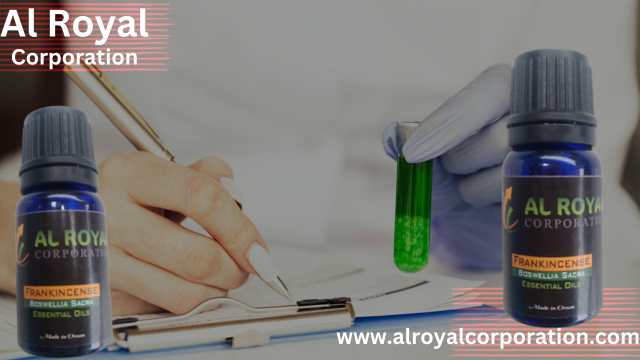
Science is validating many traditional essential oil uses. through clinical research and studies on humans and animals. Here is a sampling of findings:
- Lavender oil demonstrates anti-anxiety effects comparable to prescription drugs without sedation.
- Peppermint oil alleviates headache pain within 15 minutes of application.
- Clary sage oil has potent antidepressant actions for managing mood disorders.
- Tea tree oil is effective in treating acne, athlete’s foot, and fungal infections.
- Thyme oil shows anti-viral activity against cold viruses as a preventative.
- Chamomile oil reduces symptoms of restlessness, sleeplessness, anxiety, and depression.
- Frankincense oil suppresses tumor growth in lab studies and boosts immunity.
- Sandalwood oil reduces systolic blood pressure, pulse rate, and stress parameters.
- Lemon oil enhances mood, concentration, and cognition in humans when inhaled.
- Eucalyptus oil relieves cough, congestion, and asthma symptoms.
- Bergamot oil demonstrates antioxidant, anti-inflammatory, and pain-reducing effects.
Advancing research continues to affirm. the benefits of nature’s botanical oils on body, mind, and spirit.
Conclusion: The Healing Potential of Essential Oils
In today’s fast-paced, stressful world essential oils offer. a way to slow down and return to ancient plant wisdom.
Using essential oils benefits emotional health, eases physical ailments, deepens spiritual awareness. freshens environments, replaces toxic cleaners, and enhances natural beauty rituals.
When high quality, pure oils selected. and used following proper safety guidelines, there is minimal risk.
Consider keeping some of the most versatile oils like lavender, lemon. peppermint, tea tree, and eucalyptus on hand to treat common issues.
Experiment with different oils and blends to find your favorites. Create soothing roller ball blends to apply aromatherapy throughout the day.
Always source oils from ethical suppliers. that use proper extraction methods and disclose sourcing. Dark glass bottles will maintain potency.
Essential oils allow you. to harness natural plant power – without chemicals or additives. With proper use, they can support many areas of health.
If new to oils, research possible drug interactions. and check with a doctor if you have health conditions. Start with proper dilution.
High quality essential oils concentrated, so only small amounts needed. Follow usage guidelines and stop if any irritation develops.
Ready to unlock the benefits of nature’s living energy? Build your oil collection. Soon you’ll be creating custom blends for your needs and lifestyle.